Earbuds and over-ear headphones both handle noise cancellation and wireless playback well today, so the decision has shifted away from “which one sounds better” in isolation and toward a more practical question: which form factor actually fits how you move through your day. Both categories have strong current flagships, and the gap between them is now more about lifestyle fit than raw audio quality.
Wireless earbuds: built for portability and movement
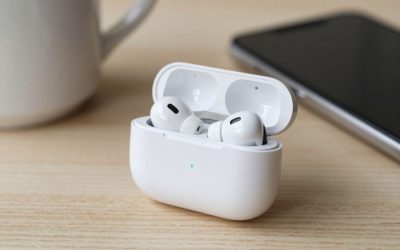
The current flagship earbuds — Apple AirPods Pro 3 and Sony WF-1000XM6 — both pack active noise cancellation, wireless charging cases, and sweat resistance into a form factor that disappears into a pocket when not in use. AirPods Pro 3 is generally rated ahead on call-microphone quality in side-by-side reviews, which matters a lot if you take frequent calls on the move between meetings or errands, while the Sony WF-1000XM6 is specifically noted for noticeably stronger overall sound quality and support for the LDAC codec, which benefits listeners who care about audio fidelity over Bluetooth rather than just convenience. Earbuds clearly win for workouts, commuting, and anywhere bulk and visibility genuinely matter.
Check Apple AirPods Pro 3 on Amazon
Check Sony WF-1000XM6 on Amazon
Over-ear headphones: better sound and battery, bulkier to carry
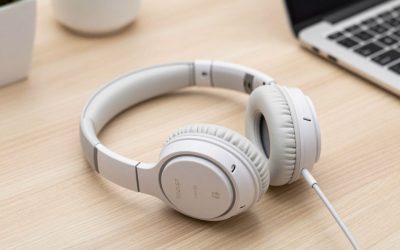
Over-ear flagships like the Sony WH-1000XM6 are consistently rated ahead of earbuds on raw sound quality and total battery life, since a larger driver and a bigger internal battery both fit comfortably inside the ear cups in a way earbuds physically cannot match. Reviewers describe the WH-1000XM6 as delivering punchier bass and crisper vocals than competing earbuds in direct comparisons, and over-ear noise cancellation tends to block more low-frequency rumble — engine noise, HVAC hum, airplane cabin drone — than earbud ANC typically manages. The tradeoff is that they do not fit in a pocket and are a more visible, warmer thing to wear for hours at a time, especially in summer heat or during exercise.
Check Sony WH-1000XM6 on Amazon
Check Bose QuietComfort Ultra Headphones on Amazon
Matching the choice to your actual routine
If your day involves running, the gym, or switching rapidly between a phone and a laptop throughout the day, earbuds are the more practical fit — they are faster to put on and take off, and they do not mess up hair or interfere with glasses the way a bigger over-ear pair can. If most of your listening happens at a desk, on a long flight, or during a dedicated focus session where you plan to keep them on for hours uninterrupted, over-ear headphones deliver more comfortable all-day wear and noticeably stronger isolation from ambient background noise. Commuters end up being the split case in practice: earbuds win on sheer convenience and portability, while over-ear wins on actually blocking out subway or engine rumble during a long ride.
A reasonable compromise: owning both
Owning both is more common than it sounds for people who split their day between the gym and a desk — a budget earbud pair for movement and workouts, paired with a single pair of over-ear headphones reserved for focused listening at a desk, covers both situations without paying flagship prices twice over for features you only need part of the time in each format.
Comfort differences worth knowing about
Ear shape varies enough between people that earbud fit is genuinely hit or miss — some users find certain eartip shapes uncomfortable after an hour regardless of brand, while over-ear headphones with memory-foam cushions are more consistently comfortable across different head shapes and glasses-wearers, at the cost of feeling warmer during longer sessions. If you have had trouble with earbuds falling out or feeling uncomfortable in the past, that alone may be reason enough to lean toward an over-ear pair regardless of the other tradeoffs discussed above.
Neither format is objectively better; the right pick is simply the one that matches how many hours a day you actually spend moving versus sitting still, and how much you value pocketability over outright sound quality and battery life.
Price expectations across both formats
Flagship earbuds and flagship over-ear headphones now sit in roughly the same price bracket, so cost is rarely the deciding factor between the two categories the way it was a few years ago — the decision is almost entirely about fit, portability, and how you intend to use them day to day rather than which one is cheaper.
Frequently asked questions
Can wireless earbuds match over-ear headphones on noise cancellation?
They have closed most of the gap on steady, low-frequency noise like airplane engines or HVAC hum, but over-ear models still tend to hold an edge specifically because their larger ear cups create a more complete physical seal than any earbud tip can, which matters most in consistently loud environments like long flights.
Which format is better for someone who wears glasses?
Earbuds generally work better for glasses-wearers, since over-ear headphone cups press against the temple arms of glasses and can create discomfort or a broken seal over long sessions, while earbuds have no contact point with the glasses frame at all.
Does one format last longer before needing replacement?
Over-ear headphones often have a longer practical lifespan, since replaceable ear pads and a sturdier hinge-based build tend to outlast the sealed, non-serviceable battery packs built into most true wireless earbuds, which typically show noticeable battery degradation within two to three years of daily charging.
Is call quality generally better on earbuds or over-ear headphones?
Earbuds tend to win here, since their microphones sit closer to the mouth and modern flagship earbuds like the AirPods Pro 3 use multiple beamforming microphones specifically tuned for voice calls, while over-ear headphone microphones sit farther away on the ear cup or a boom and generally pick up more ambient room noise during calls.


Write Your Review
No reviews yet. Be the first to share your experience!