Mounting a 65-inch or larger TV is not the same job as hanging a 43-inch bedroom set. Large TVs need a mount rated well above the TV’s actual weight, wider stud spacing (often requiring a dual-stud wall plate), and enough extension and tilt range to get proper viewing angles in open living rooms. These are the mounts reviewers recommend specifically for bigger screens in 2025.
Echogear EGLF2
Named a best-overall pick by Tom’s Guide, the EGLF2 is a dual-arm full-motion mount rated for TVs from 42 to 90 inches and up to 125 pounds, extending out 22 inches from the wall, which makes it versatile enough for large living rooms where you need to angle the screen from a side-seating position.
Mounting Dream MD2268-LK
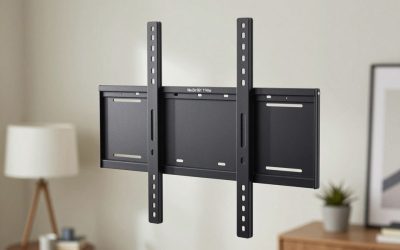
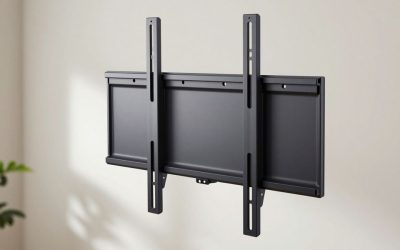
For bigger and heavier TVs specifically, the MD2268-LK supports up to 132 pounds with a tilt-only mechanism (no swivel) and a very low 1.5-inch wall profile, making it a strong choice when you want the TV to sit almost flush against the wall.
Sanus VLF728
Described by reviewers as best-suited for the 65-to-90-inch range, the Sanus VLF728 is built for unmatched strength and flexibility at this size class, with full tilt and swivel motion for large-screen installations.
Mount-It! The Beast Heavy Duty
For extra-large TVs up to 100 inches, this mount is rated for a substantial 275-pound weight capacity with a 39-inch extension arm, aimed at installations where the mount needs to handle both an oversized screen and a long reach from the wall.
Perlegear Extra Large Full Motion
Rated for TVs from 55 to 120 inches and up to 220 pounds, the Perlegear XXL mount is positioned as a value alternative to premium brands for shoppers mounting very large or heavy screens on a tighter budget.
Always check your TV’s actual VESA mounting pattern and weight against the mount’s rated specs before buying, and for anything 75 inches or larger, confirm whether your wall needs a dual-stud plate, which professional installers note is mandatory at that size for safety.
ProMounts Full Motion Articulating
A frequently recommended value alternative in the large-TV category, the ProMounts full-motion mount covers TVs up to 100 inches and 150 pounds with a dual-arm design similar to pricier Echogear and Sanus mounts, giving most of the same tilt, swivel, and extension range at a noticeably lower price point.
Why stud spacing matters more on large TVs
Large TV mounts distribute weight across the mounting plate’s bolt pattern, and standard 16-inch stud spacing does not always line up with a wide mounting plate built for a 75-to-100-inch TV, which is why many large-TV mounts ship with an adjustable or extra-wide plate designed to bridge two studs regardless of standard spacing. Skipping this check and bolting a large-TV mount into drywall anchors instead of solid studs is one of the most common — and most dangerous — large-TV installation mistakes, since drywall alone is rarely rated for the combined weight of a 65-inch-plus TV and a full-motion arm extended away from the wall.
Frequently asked questions
How much weight capacity headroom should I buy above my TV’s actual weight?
Most installers recommend at least 20-30 percent headroom above your TV’s listed weight, so a 70-pound TV should go on a mount rated for at least 90-100 pounds, which accounts for stress during extension, tilt adjustments, and the mount’s rating typically being tested under ideal, not worst-case, conditions.
Can one person safely install a large TV wall mount alone?
Technically yes with the right tools, but most installation guides recommend a second person for anything 65 inches or larger, since lining up a heavy TV with the mount’s hooks or bolts single-handedly is both difficult and risky for the screen and the installer.
Do I need a stud finder even for a dual-stud mounting plate?
Yes — a dual-stud plate still needs you to locate both studs accurately before drilling, since missing a stud on one side of a wide plate leaves that side anchored only in drywall, defeating the purpose of a plate designed to spread weight across two solid studs.
How far should a large TV extend from the wall for comfortable viewing angles?
Full-motion mounts like the Echogear EGLF2 or ProMounts model typically extend 18-22 inches, which is enough to angle a large TV toward a side-seating position in an open living room, while fixed or tilt-only mounts like the Mounting Dream MD2268-LK sit closer to the wall and work best when most seating faces the TV directly rather than from an angle.
Do large TV mounts come with the necessary hardware for any wall type?
Standard lag bolts and anchors included with most mounts are designed for wood stud walls, which cover the vast majority of U.S. homes, but concrete, brick, or metal-stud walls require separate specialty anchors not included in the box, so it is worth confirming your wall type before ordering if your home is not standard drywall-over-wood-stud construction.
Should I hire a professional installer for a large TV wall mount?
For TVs over 65 inches or mounts extending far from the wall on a full-motion arm, many buyers choose professional installation specifically to verify stud location, confirm wall type, and handle the TV safely during the lift, which most hardware stores and some mount manufacturers offer as an add-on service at checkout.
How often should I re-check the bolts on a large TV wall mount?
Most manufacturers recommend checking that all bolts remain fully tightened about once a year, since normal vibration from footsteps, nearby doors, or even bass from a soundbar can very gradually loosen hardware over time, and catching a slightly loose bolt during a routine check is far better than discovering it only when the TV visibly shifts.

Write Your Review
No reviews yet. Be the first to share your experience!